
The Delhi Chief Electoral Officer's office has issued notices to over 33 lakh voters, including former deputy prime minister LK Advani, External Affairs Minister S Jaishankar, and former vice-president Jagdeep Dhankhar, over discrepancies in their electoral roll details. These notices are part of the Special Intensive Revision (SIR) exercise, primarily due to details not matching with the 2002 SIR. Despite concerns raised by some politicians, officials assure that no names will be deleted without due verification and an opportunity for voters to respond.

The Supreme Court has directed the Election Commission to display the names of those on the 'logical discrepancies' list at various public offices in West Bengal, addressing concerns about irregularities in the voter rolls.
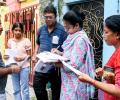
Delhi's Chief Electoral Officer, Ashok Kumar, announced the reverification of over 47 lakh voters whose names were removed from draft electoral rolls. This initiative addresses complaints of eligible voters being omitted and aims to ensure no genuine voter is left out before the final lists are published on December 4. Booth-level officers are resolving discrepancies and voters can fill Form 6 for inclusion.

The Special Intensive Revision of Maharashtra's electoral rolls has identified over 76 lakh voters classified as permanently shifted across the state. Mumbai Suburban, Thane, and Pune districts reported the highest numbers, highlighting significant discrepancies in voter lists and the ongoing challenge of maintaining accurate electoral data.

The Election Commission of India has revised instructions for the Special Intensive Revision of voter rolls, allowing voters served notices for "No Mapping" or "Logical Discrepancy" categories to avoid physical appearance. Booth Level Officers will collect documents at residences, and submissions can also be made via WhatsApp or during special camps, ensuring a more accessible process for electors.

The Supreme Court has expressed concern to the Election Commission regarding the "almost mechanical" issuance of notices under the Special Intensive Revision (SIR) exercise in Delhi, urging additional safeguards and clarification on "logical discrepancy" criteria. The court is hearing a petition challenging the EC's process, which has seen millions of voters receive notices, raising practical difficulties and concerns about potential disenfranchisement.
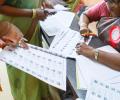
Former RBI Governor Bimal Jalan, ex-IAF Chief NAK Browne, and other prominent figures in Delhi have received notices regarding discrepancies in their voter details during the ongoing Special Summary Revision (SIR) of the electoral rolls. Over 33 lakh electors have been identified for such notices, with a deadline of September 30 for responses.

Maharashtra's Chief Electoral Officer has formally requested the Election Commission to modify the ECINet software, seeking greater discretion for Electoral Registration Officers in addressing over 2 crore voter discrepancies.

India's Election Commission's centralised voter database systems, ERONET and ECINet, are under scrutiny following concerns raised by Election Commissioners Sukhbir Singh Sandhu and Vivek Joshi regarding the centralisation of electoral rolls and control available to state election officials. The article explains how these systems work and why they are currently in the news.

Uttarakhand's final electoral roll, released after the Special Intensive Revision, shows a significant reduction of approximately 8 lakh voters compared to the start of the process, with the total now standing at 71.58 lakh. The opposition Congress, however, claims the decline is much steeper, citing a 14 lakh reduction from an earlier figure. The Chief Electoral Officer's office detailed the revision process, including additions and removals, and outlined ongoing efforts to ensure all eligible citizens are included.

The Election Commission of India has announced decisions addressing concerns raised by two election commissioners, Sukhbir Singh Sandhu and Vivek Joshi, over the past 10 months. These issues included changes to voter registration forms, access to the electoral roll database, the handling of Goa's 97 voters, communications issued without full commission approval, oversight of the IT division, and appeals against voter restoration. The EC has provided responses and outlined steps to resolve these internal disputes and improve transparency and compliance.
The Supreme Court will hear a plea on October 28 regarding the Special Intensive Revision (SIR) of Delhi's electoral roll. Petitioners seek transparency from the Election Commission on voter deletion reasons and a simplified re-inclusion process for those omitted, especially concerning Form 6. The court had previously raised concerns about "mechanical" notice issuance during the SIR, which led to 47 lakh voter deletions in Delhi.

The Delhi poll body has issued notices to several prominent voters, including Chief Minister Rekha Gupta and AAP supremo Arvind Kejriwal, for discrepancies in their enumeration forms during the ongoing Special Intensive Revision (SIR) exercise. While Gupta's entry has been validated, millions of other voters, including other political figures, have received notices for issues like age-related mismatches or being unmapped with previous SIR records, requiring them to submit documents by October 29.

The Greater Bengaluru Authority (GBA) clarified that no notice was issued to Bharat Ratna awardee Prof C N R Rao regarding an electoral roll discrepancy. Instead, the Booth Level Officer recommended including his name despite a variation in how it was recorded over the years, ensuring his inclusion in the final electoral roll.

'Election Commissioners are Constitutional authorities and they are not supposed to go to the Cabinet secretary. They are not supposed to write letters. And if they are aggrieved, they should straight go to the President of India.'

Trinamool Congress leader Saket Gokhale has accused the Election Commission of India (ECI) of withholding details about the software and algorithm used for the Special Intensive Revision (SIR) of electoral rolls. Citing an RTI response, Gokhale highlighted the ECI's claim that the information relates to "commercial confidence, trade secrets and intellectual property matters," raising concerns about transparency in the electoral process.

Padma Shri awardee Harekal Hajabba has received an election notice due to a name mismatch in the electoral rolls. While his official documents identify him as "Harekal Hajabba," the 2002 electoral roll listed him simply as "Hajabba." He is confident the issue will be resolved after presenting his documents to local authorities.

The Brihanmumbai Municipal Corporation (BMC) elections were marred by widespread complaints of voter list discrepancies, missing names, and confusion, impacting voters and election staff alike.

Prominent individuals, including Infosys co-founder Nandan Nilekani and Zerodha founders Nithin and Nikhil Kamath, have appeared on a notice list during Karnataka's Special Intensive Revision (SIR) of electoral rolls due to various discrepancies. Authorities clarify that these notices are part of a verification process and officials will assist in resolving the issues without inconveniencing the individuals, also debunking reports about CM D K Shivakumar's mother receiving a notice.

A report by 'Voter Adhikar Manch' has revealed that the number of excluded electors in Delhi's draft electoral roll under the Special Intensive Revision (SIR) exceeded the winning margin in 68 of 70 Assembly constituencies in the 2025 polls. The audit found over 47 lakh electors marked as absent, shifted, dead, or duplicate, raising serious questions about the integrity of the electoral process and the accuracy of voter lists.

'Their functioning is flawed, they are not accountable, they are opaque, they are non-transparent, they have lost credibility.'
The Election Commission of India has addressed reports of internal dissent among its commissioners and clarified that all Special Intensive Revision (SIR) orders and Form 6 updates for voter enrolment received unanimous consent and were upheld by the Supreme Court. The EC also announced measures to ease the process for voters issued notices, including doorstep document collection and extended deadlines in Delhi and Maharashtra, while affirming its commitment to transparent decision-making and meticulous compliance with directives.

The Election Commission has uploaded the names of people on the list of SIR logical discrepancies list on its website following a Supreme Court order. The district electoral officers will download the list and display it on panchayat bhavans and block offices.
As many as 90,000 electors in Goa have either been found absent, shifted, deceased or possessing duplicate voter cards in the ongoing Special Intensive Revision (SIR) in the state, a senior official said on Sunday.

The TMC has written to the Election Commission alleging procedural irregularities in the scrutiny of nomination papers of BJP's Rajya Sabha candidate Rahul Sinha, claiming discrepancies in his election affidavit were overlooked.
A PIL has been filed in the Supreme Court seeking a detailed constituency-wise disclosure of disenfranchisement caused by the Special Intensive Revision (SIR) of electoral rolls in West Bengal.

Amid claims of Amartya Sen being summoned over Special Intensive Revision (SIR), the Chief Electoral Office of West Bengal has clarified that the notice to the Nobel laureate was issued after the Electoral Roll Officers' Network (ERONET) portal flagged a 'logical discrepancy'.
Appellate tribunals in West Bengal have only disposed of a small fraction of the appeals filed against decisions made during the electoral roll revision, raising concerns about the efficiency of the process.

Trinamool Congress leader Abhishek Banerjee has accused BJP MLA Shankar Ghosh of inconsistencies in his claims of injury during protests, urging voters to verify the truth. Banerjee also criticised the BJP's neglect of Siliguri and the CPI(M)'s alleged support for the BJP.
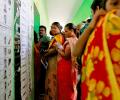
Opposition parties in India, led by the Congress, have demanded a detailed discussion in Parliament on alleged discrepancies in voter lists. Rahul Gandhi raised the issue in the Lok Sabha, highlighting concerns about the integrity of the electoral process. The opposition alleges large-scale duplication of EPIC numbers, which they claim undermines voter integrity and the electoral process. They have also pointed out instances of inflated voter lists in states like Maharashtra and Haryana. The Election Commission has acknowledged discrepancies but maintains that these are not widespread and that corrective measures are being taken. The opposition, however, insists on a comprehensive discussion on the matter to ensure the integrity of elections in India.
The upcoming publication of West Bengal's electoral rolls is expected to intensify political tensions and debates ahead of the Assembly elections, reflecting concerns about voter inclusion and identity.

'The final electoral roll will be published on October 7, 2026.' 'If someone who is otherwise eligible does not find his/her name in that electoral roll, they can fill Form 6 along with other necessary documents to enrol his/her name in the electoral roll after the final publication of the electoral roll also.'

TMC leader Abhishek Banerjee accuses political rivals of being BJP agents and promises to restore voting rights to disenfranchised citizens in West Bengal. He also criticises the BJP's poll promises and highlights the TMC's Lakshmir Bhandar scheme.

West Bengal Chief Minister Mamata Banerjee has demanded Prime Minister Narendra Modi's resignation, alleging manipulation of voter lists during the Special Intensive Revision (SIR) in West Bengal. She also questioned the abrupt resignation of Governor C V Ananda Bose and accused the BJP of anti-women policies and spreading misinformation.
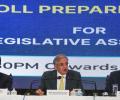
The Chief Election Commissioner, Gyanesh Kumar, has stated that the primary goal of the Election Commission is to ensure all voters in West Bengal can participate in the upcoming assembly elections without violence or intimidation.

The Election Commission served a notice to Nobel laureate Amartya Sen regarding electoral roll discrepancies, sparking a political controversy in West Bengal. The Trinamool Congress has criticized the move as a politically motivated attack.

The Supreme Court has allowed former West Bengal chief minister Mamata Banerjee and others to file fresh applications regarding their claim that victory margins in 31 constituencies in the recent assembly polls were less than the deletion of votes during the Special Intensive Revision (SIR) of electoral rolls.
The Election Commission reports a discrepancy of nearly 26 lakh voters' names in West Bengal's current electoral rolls when compared to the 2002 voter list.

Senior Trinamool Congress leader Kalyan Banerjee has commented on the Supreme Court judgment regarding the Special Intensive Revision (SIR) of electoral rolls, emphasising its specific application to the Bihar case and highlighting the Election Commission's limited authority in determining citizenship.

The Election Commission released the names of deleted voters in West Bengal ahead of the publication of the draft electoral rolls for the upcoming assembly elections.
